CRM
Customer base, sales stages, tasks, the history of communication with each customer and managers' results.

Sales, customer base, HR, finance and inventory in one system. Customisation on a ready-made platform (e.g. ERPNext) or a system built from scratch — integrated with the systems you already run.
Challenges
Customer history is kept in Excel and messaging apps, and the sales plan is hard to track.
Departments pass data to each other by hand and the figures differ.
Management makes decisions based on outdated data.
What's included
Customer base, sales stages, tasks, the history of communication with each customer and managers' results.
Unified management of company resources with HR, finance, inventory and sales modules.
Request, approval and execution flows — without paperwork and repetitive manual work.
Director, manager, employee — everyone sees only what their own work needs.
Customisation on a ready-made solution such as ERPNext, or a system shaped entirely around your processes.
Connected to the systems you already use: website, payments, accounting and other services.
Outcome
Every figure from sales to stock in one place.
Repetitive operations are automated.
The status and owner of every task are visible.
Process
We examine the existing infrastructure and business processes, then identify the real problems and priorities.
1–2 weeksTechnical solution, phases, timeline and budget. What we will do and how is documented before the agreement.
1 weekPhased delivery: you see a working result at every stage.
Scope-dependentMigration, team training, SLA-backed technical support and further development of the system.
OngoingBlog
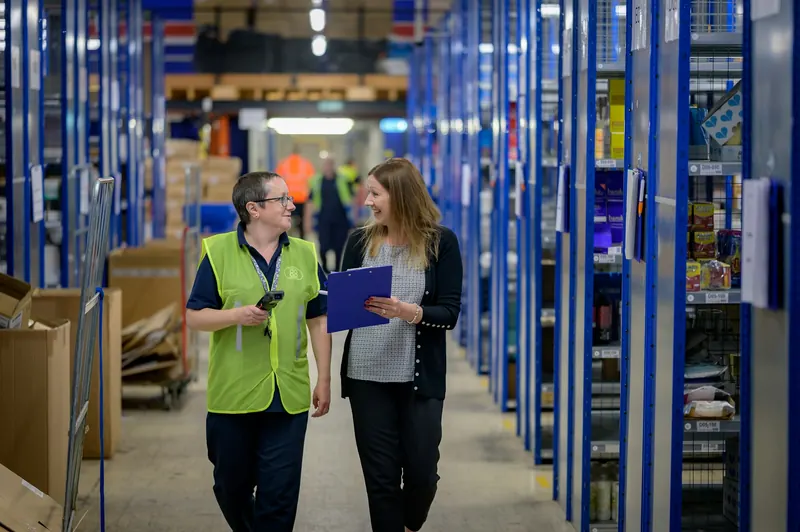
CRM and ERP are often confused. We explain how they differ, when you need each one, and how to choose between a ready-made platform and a custom-built system.
Read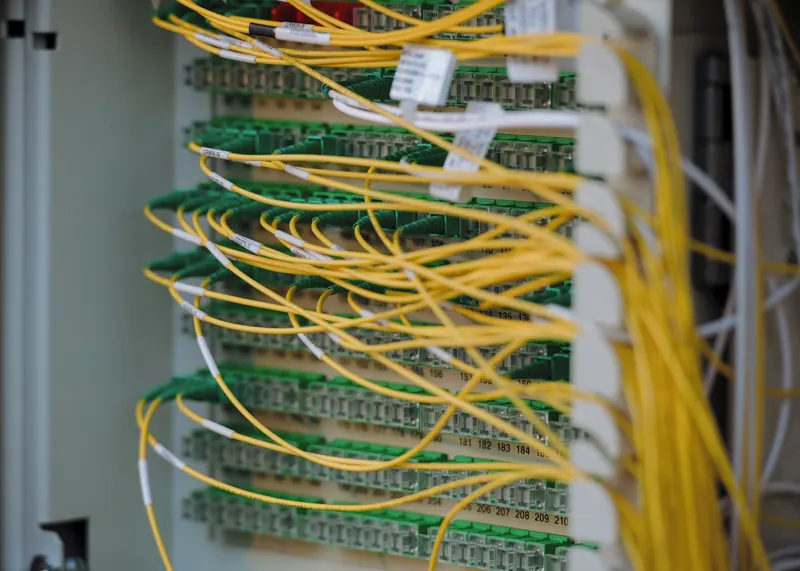
An order comes in from the website, the accountant retypes it, the warehouse keeps its own spreadsheet. How APIs, webhooks and sound design change that picture.
ReadQuestions
ERP (Enterprise Resource Planning) is software that brings a company's internal operations — HR, finance, inventory, purchasing and sales — together in one system. The aim is for every department to work with the same data.
A CRM manages customer relationships and sales: the customer base, deal stages and tasks. An ERP covers the company's internal resources. In growing companies the two work together through integration.
If your processes are close to standard, customising a ready-made platform such as ERPNext is faster and more cost-effective. For a non-standard business model, a system built from scratch is a better fit.
Implementation moves through an audit, a pilot in one department, data migration, staff training and a phased rollout to the other departments.
Yes: your website, payment systems, accounting and other services are connected via API.
The initial consultation and project estimate are free. We reply to enquiries within 24 hours.